

Loup Garou: The Caribbean Werewolf of Island Folklore
LOUP GAROU
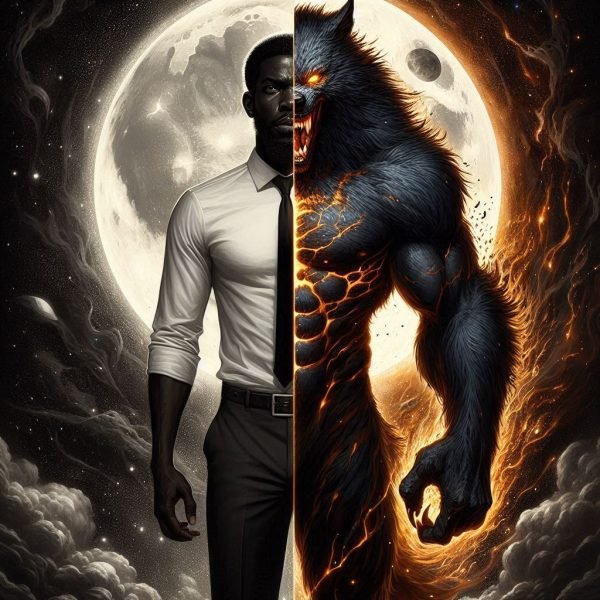
Loup Garou
The Caribbean Werewolf of Island Folklore
Origins
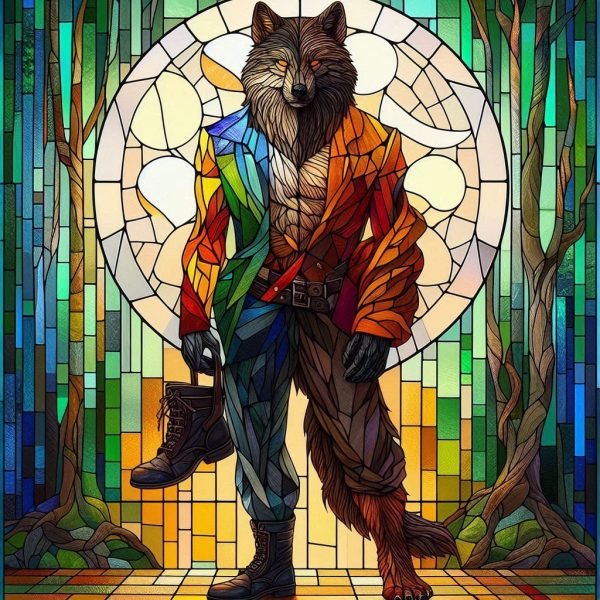
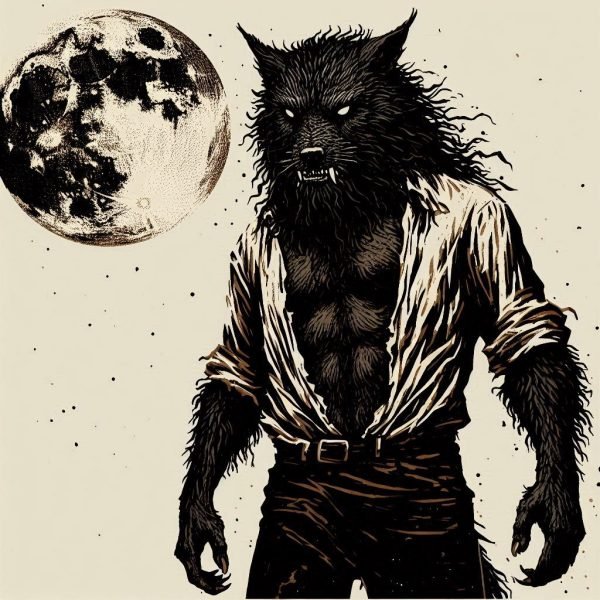
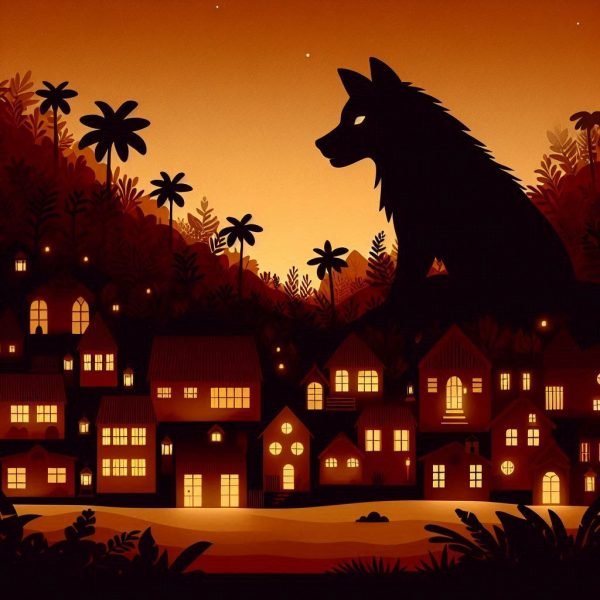
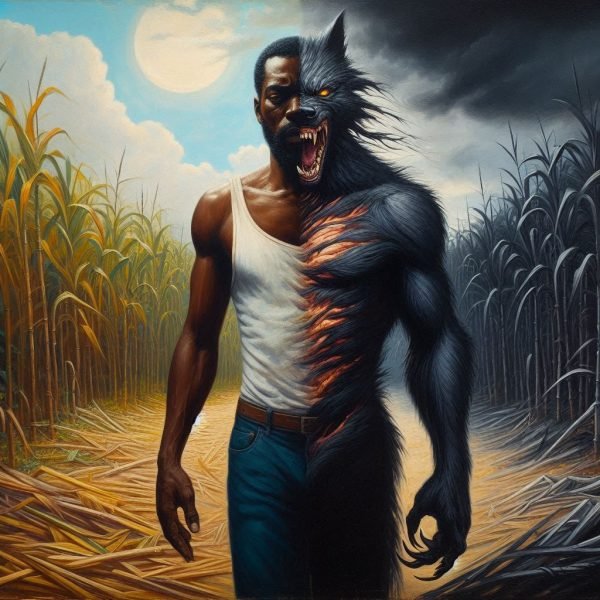
The Loup Garou (pronounced Loo Gah-roo) comes directly from the French loup-garou meaning werewolf. The legend entered the Caribbean through French colonial settlers and immediately merged with West African shapeshifter traditions and local beliefs about dark pacts and transformation. The Loup Garou is prominent in Trinidad, Haiti, and the French Creole islands. Across the Caribbean, the figure became distinctly localised — less a European werewolf and more a person who has voluntarily sold their soul for dark power.
Description & Appearance
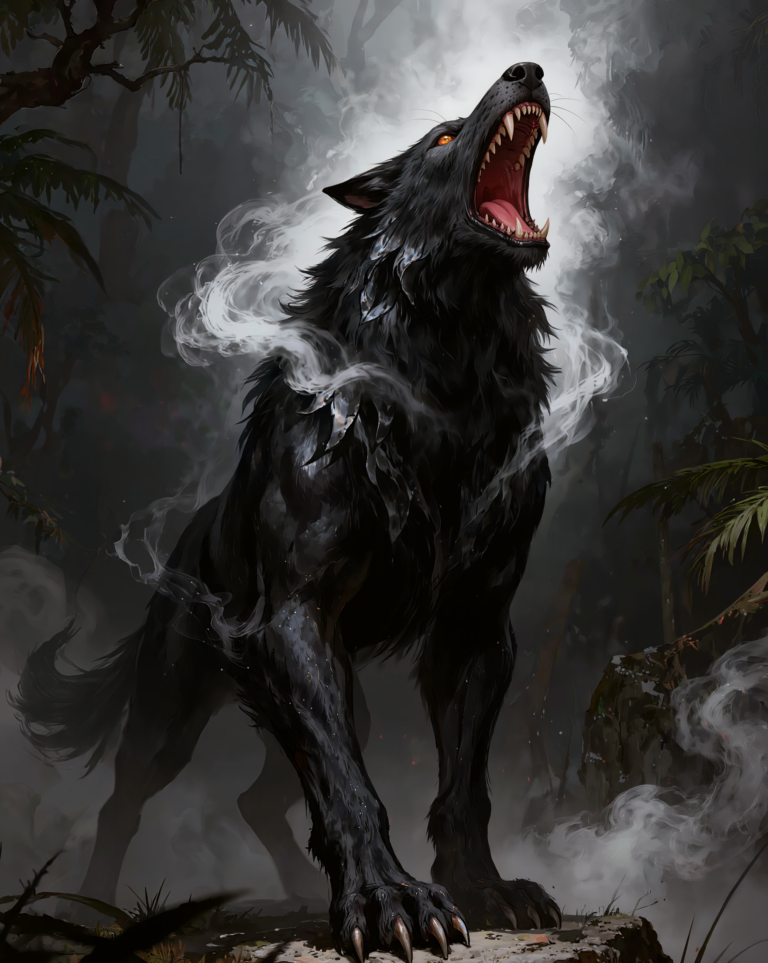
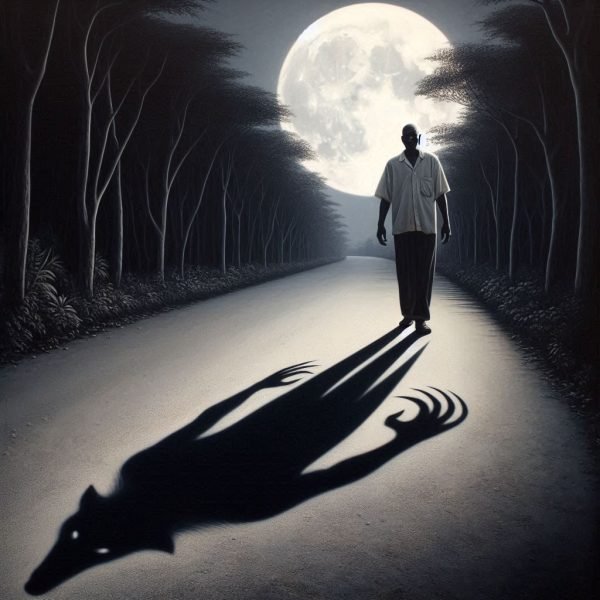
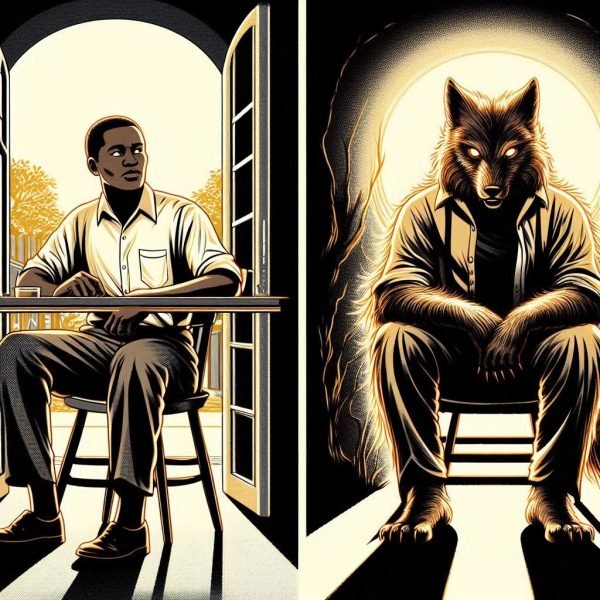
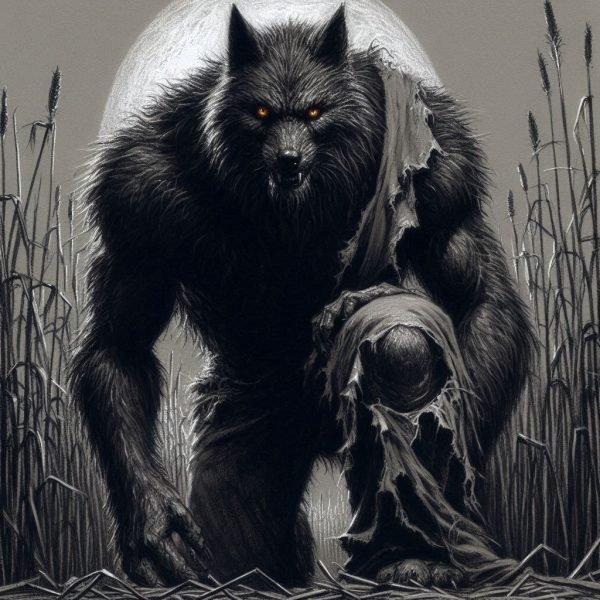
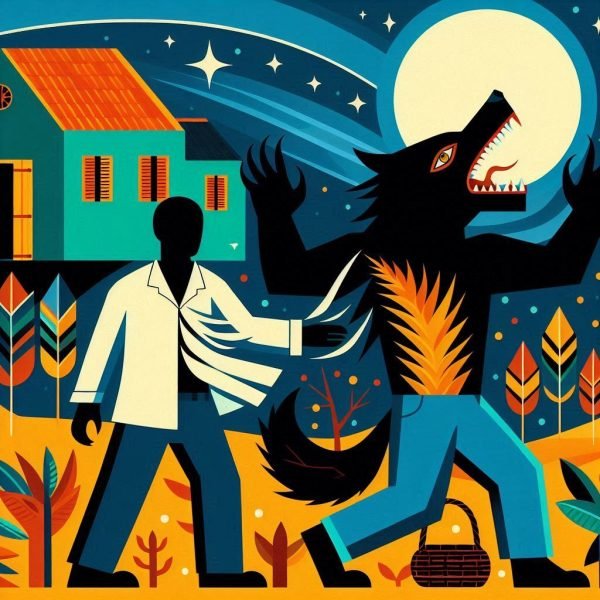
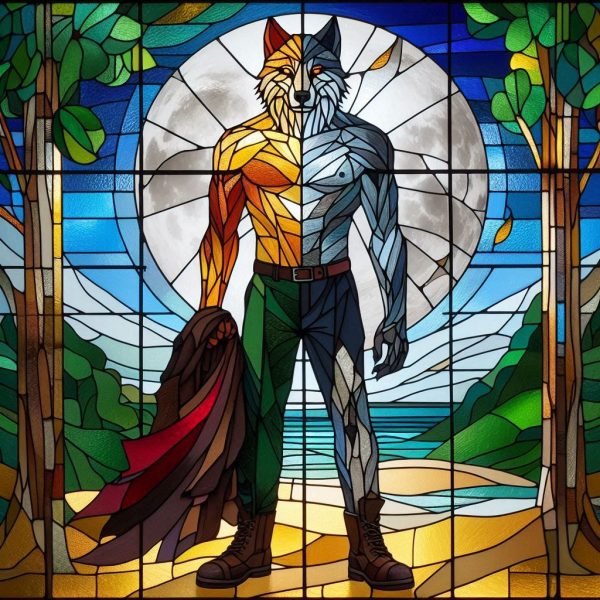
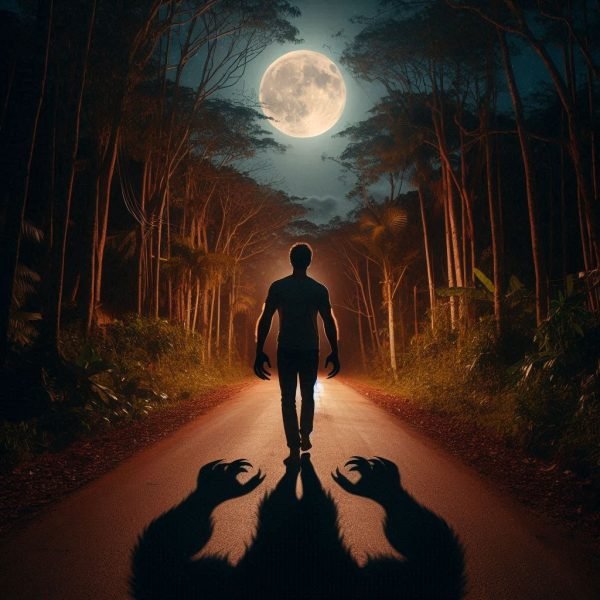
Unlike the European werewolf which transforms involuntarily under the full moon, the Caribbean Loup Garou is a person — usually known to their community — who has made a deliberate pact with dark forces in exchange for supernatural power or wealth. By day they are completely ordinary: a neighbour, a professional, a community member. By night they shed their skin and take the form of an animal — most commonly a large black dog, but also a pig, goat, cat, or other creature. In their animal form they are unnaturally large, move with unnatural speed, and have eyes that glow red or yellow.
Behaviour & How They Operate
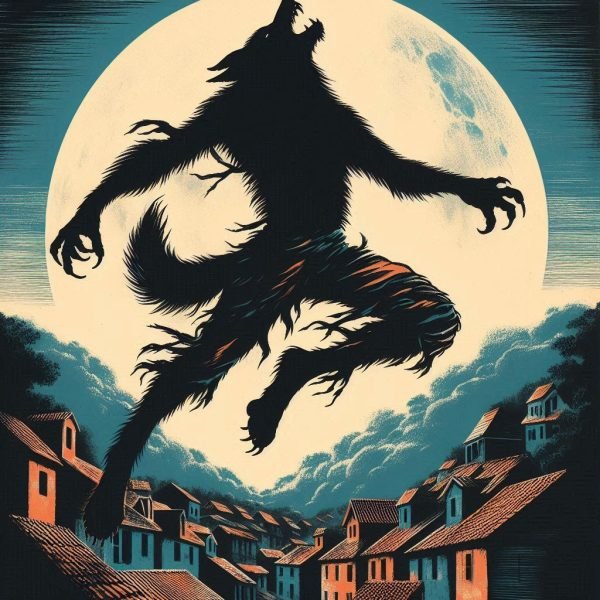
The Loup Garou prowls at night, causing harm, spreading misfortune, and feeding on blood in some accounts. They are known to target rivals, enemies, or those who have wronged them, using their supernatural form to intimidate or attack. Unlike the Jumbie or Soucouyant, the Loup Garou is a living person — making identification particularly disturbing since they could be anyone in the community.
Warning Signs
A large unusually behaved black dog or other animal seen prowling at night
An animal that does not respond normally to noise or light
A community member who is never seen at night and always appears exhausted at dawn
Unexpected illness or misfortune in multiple members of a household
Animals with glowing eyes that seem to follow specific people
How to Ward Them Off
Salt and rice at doorways — the Loup Garou is compelled to count grains before entering
Iron objects at entry points
Strong religious faith and prayer are widely cited as protective
Identifying them by name is said to break their power over you in some traditions
How to Evade Them
If you encounter the Loup Garou in animal form, do not run — it moves faster than any human. Stand your ground and recite a prayer. Some traditions hold that drawing a cross on the ground creates a barrier. If you can get inside before dawn, you are safe — they must return to human form before sunrise.
Fun Facts
In some Caribbean traditions, the Loup Garou must pass their curse to another person — if they fail to do so by a set time, they die
The way to confirm someone is a Loup Garou is to wound the animal — the human will have an identical wound the next day
In Haitian tradition, the lougarou is associated with child predation and connects to broader beliefs about witchcraft
Unlike European werewolves, the Caribbean Loup Garou is not always linked to the full moon — they can transform any night they choose
Communities historically dealt with suspected Loup Garou through social exclusion long before any supernatural confrontation
