

Churile Spirit: The Vengeful Woman of Caribbean Folklore
CHURILE




Churile
The Vengeful Female Spirit of Caribbean Folklore
Origins
The Churile (also spelled Churail, Churel, or Chudail) is one of the most historically significant figures in Caribbean folklore because her origins are South Asian — specifically rooted in Hindu and Muslim folk traditions from the Indian subcontinent. She came to the Caribbean, primarily Trinidad and Tobago, Guyana, and Suriname, with the hundreds of thousands of Indian indentured workers brought to the region between 1838 and 1917 following the abolition of slavery. She represents the living cultural memory of those communities and their spiritual traditions transplanted into a Caribbean context.
Description & Appearance
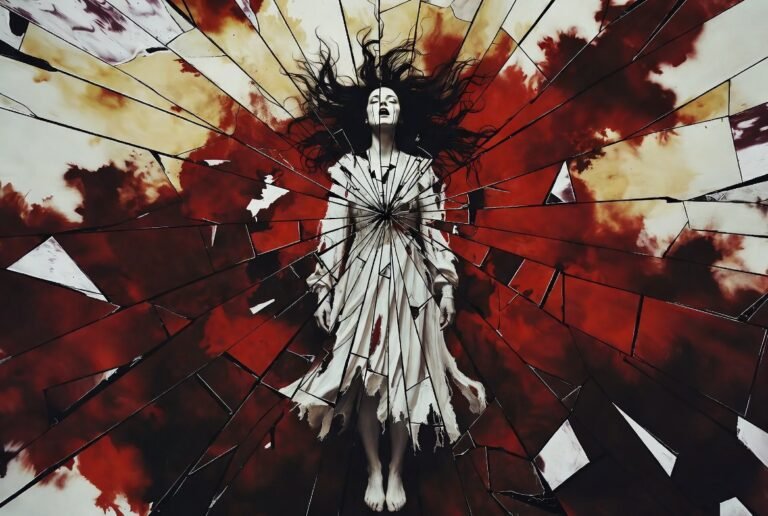
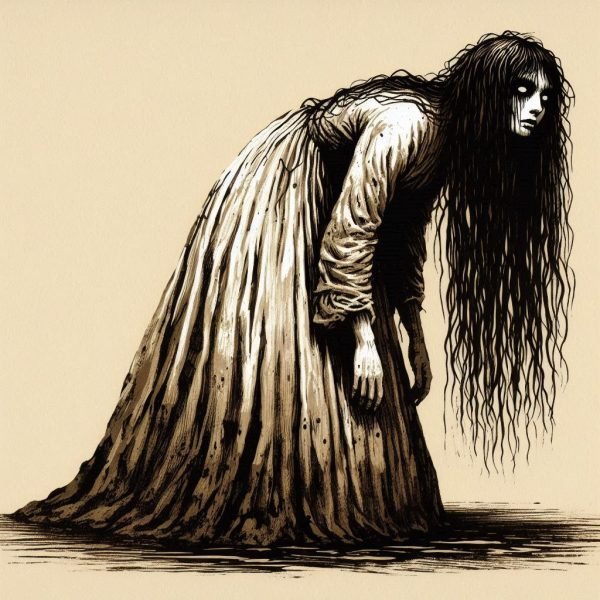
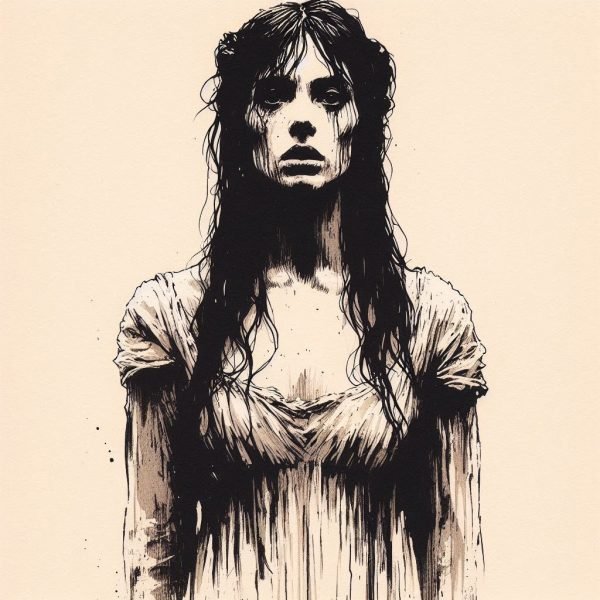
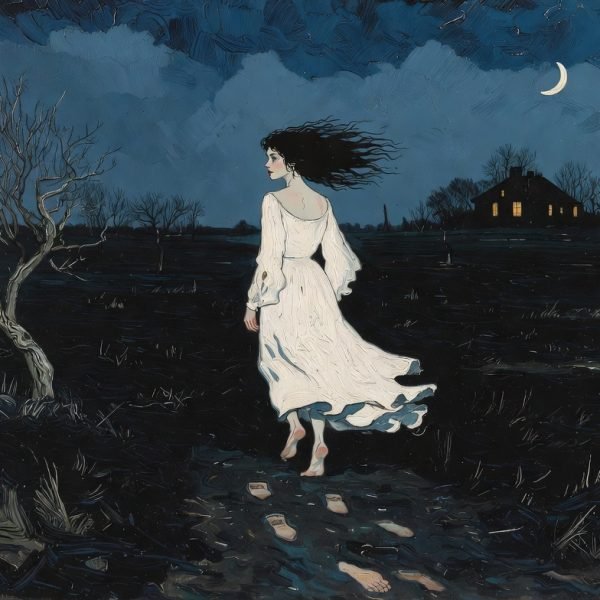
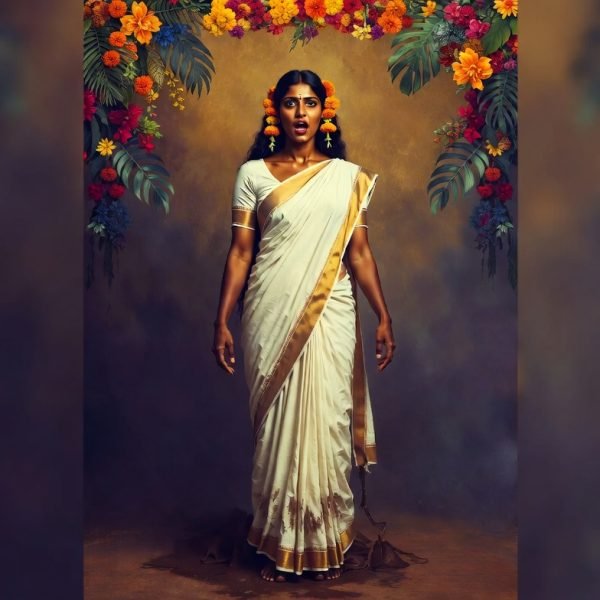
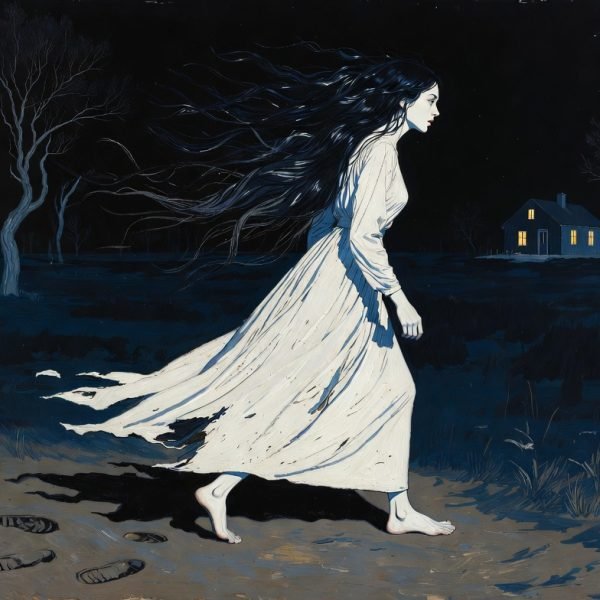
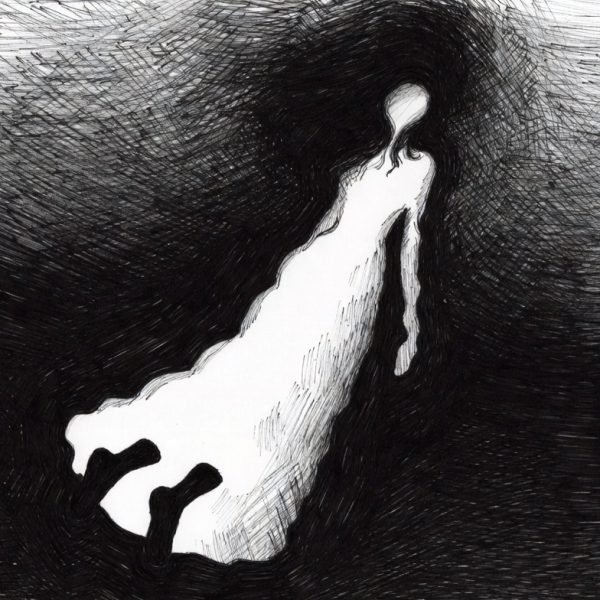
The Churile is the spirit of a woman who suffered a particularly unjust death — most commonly a woman who died during childbirth or pregnancy, or one who was deeply wronged by her husband or family. Like the Douens, her feet are reversed — pointing backwards. She can appear as a gaunt, wild-haired, hollow-eyed figure, or she may take on a more ordinary appearance to move among the living undetected. In some accounts she is described as having elongated claw-like fingers and an unnatural pallor.
Behaviour & How She Operates
In the Caribbean specifically — distinct from her South Asian counterpart who primarily targets men — the Caribbean Churile directs her torment toward pregnant women, whom she envies, and newborn babies. She causes miscarriages, infant illness, and the deaths of newborns. She also haunts the husband or family members she held responsible for her death, bringing illness, misfortune, and persistent suffering to those households. She wails and shrieks, and is sometimes described as carrying her dead infant in her arms as she roams.
Warning Signs
Unexplained illness or distress in pregnant women in a household, with no medical cause found
Repeated infant illness or death in a family line
Persistent wailing or shrieking sounds heard near a home at night
A sense of a presence near expectant mothers
Misfortune concentrated on a specific family, particularly around births
How to Ward Her Off
Iron objects — universally effective in Indo-Caribbean tradition against supernatural entities
Specific prayers and mantras from Hindu protective tradition; similarly Islamic protective prayers in Muslim Indo-Caribbean communities
Lime and salt at doorways and windowsills
Turmeric — used in purification in Hindu tradition — is cited in some accounts
Ensuring women in the community are treated with dignity and justice — the Churile is understood as a consequence of injustice
How to Evade Her
If the Churile is believed to be present in or near a home with a pregnant woman or newborn, the household should be spiritually cleansed by a trusted religious or spiritual practitioner from within the community. Place iron at the threshold, use appropriate prayers, and have the home blessed. Pregnant women should not be left alone at night in a home where a Churile is suspected.
Fun Facts
The Churile is a rare example of a Caribbean folklore figure whose origins can be precisely traced to a historical migration event — the Indian indentureship period — making her culturally significant beyond the supernatural
In some Trinidad Indo-Caribbean communities, specific locations near old sugar estates are associated with Churile activity, connecting the legend directly to the history of indentureship
Her backwards feet connect her to the Douens — suggesting a cross-cultural syncretism where different community traditions about tragic unjust death merged over generations
The Churile is increasingly being reclaimed by scholars and artists as a symbol of the overlooked suffering of women during the indentureship period
She represents one of the clearest examples of how Caribbean folklore is not a single tradition but a living fusion of African, South Asian, European, and Amerindian belief systems
